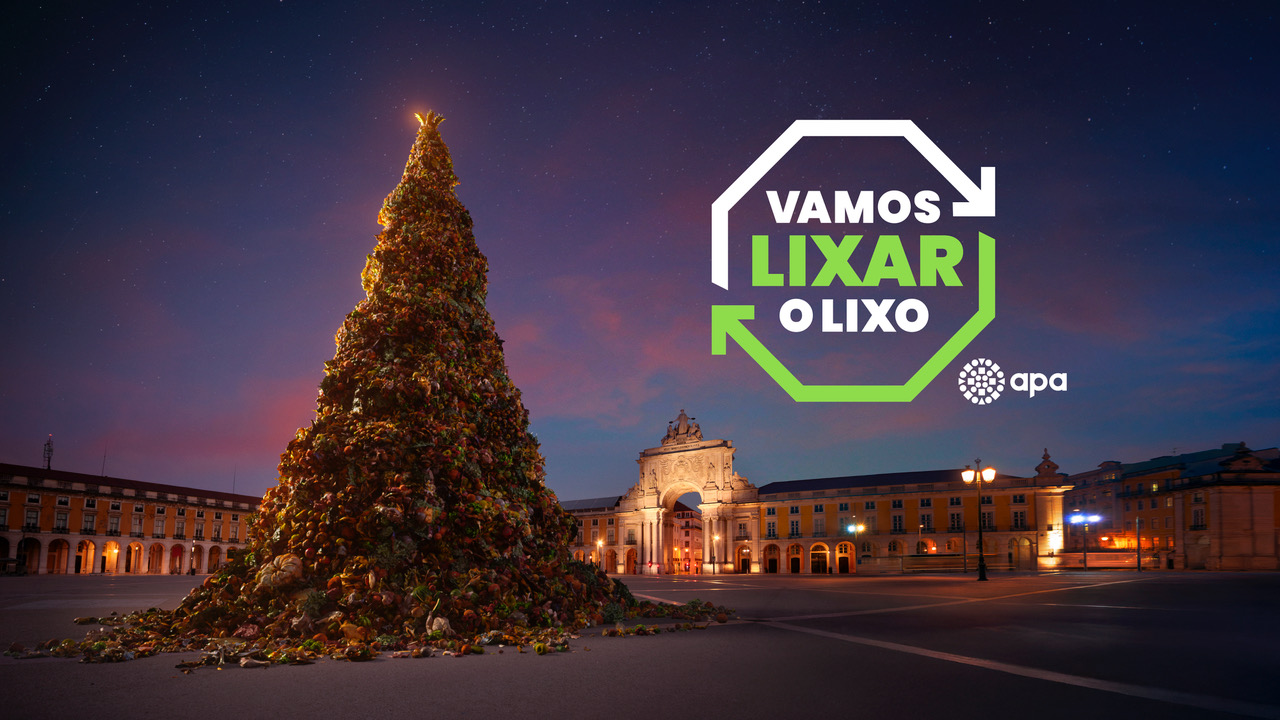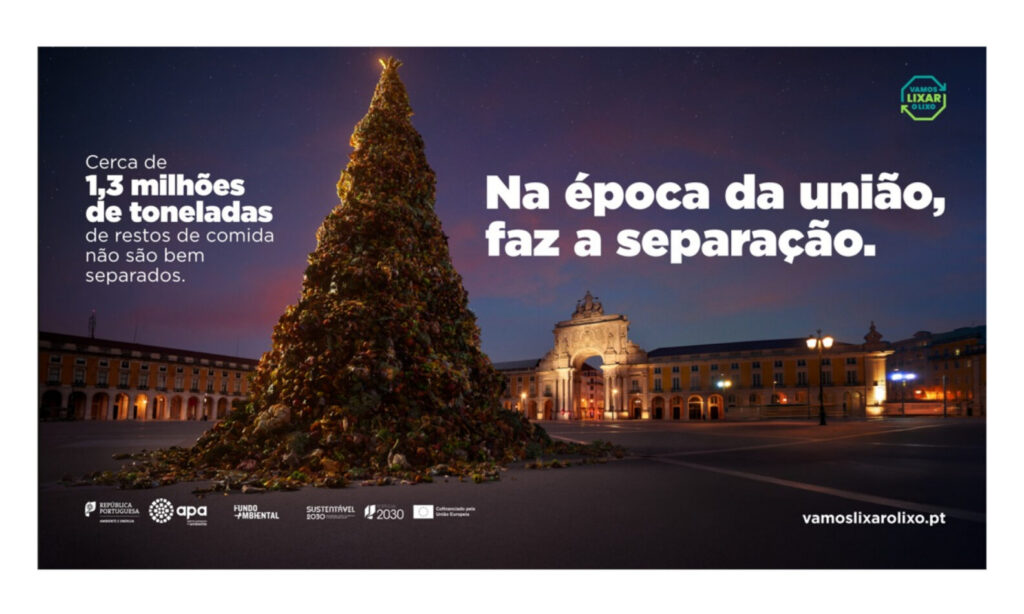
The Portuguese Environment Agency (APA) has presented the results of the national “Vamos Lixar o Lixo” campaign, developed by agencies NOSSA and Nova Expressão. According to the results released, one in three citizens say they have recently changed their behaviour as a result of awareness campaigns, while 10% increased their engagement with recycling.
Under the motto “Let’s separate waste before the future goes to waste”, the project aimed to raise awareness of the amount of waste produced in Portugal and highlight the importance of proper waste separation, particularly biowaste. It also sought to draw attention to the impact that small actions can have in reducing landfill disposal and enabling the recovery of materials that are essential to the economy.
The study identified five different profiles in relation to recycling: committed loyalists, moderate adopters, selective supporters, occasional sceptics and non-adopters. Following the campaign, the proportion of non-adopters decreased, reinforcing the positive evolution of behaviours related to waste separation.
It was also highlighted that the communication achieved total recall of 68.5%, with 19.3% of respondents recalling it spontaneously. Among the elements most strongly associated with the campaign were the set design, the signature and the overall message about the importance of recycling.
“Although we still have a long way to go in terms of improving selective collection figures, the results achieved appear to indicate that communication campaigns have an impact on the behaviour of the population,” says the president of APA. “It is now important for the waste sector to support this mission by implementing a set of measures, such as strengthening collection resources and creating incentives for waste separation, thereby ensuring continuity of the message,” adds José Pimenta Machado.
NOSSA’s Partner and Chief Creative Officer says that this is long-term work that does not end when the campaign finishes. “It is essential to continue raising awareness, informing and engaging the Portuguese, because changing behaviour is crucial to building a more sustainable future,” says Nuno Presa Cardoso.