The first half of 2025 was marked by uncertainty. But what can advertisers expect as the market enters the final stretch of the year? Executives from Wavemaker, Initiative and Nova Expressão share their outlook.
“At Nova Expressão, we expect a strong finish to the year in terms of advertising investment. Traditionally, this is the busiest period for many of the advertisers we work with, and this year we are also seeing the launch of several major new projects,” says Filipe Teotónio Pereira, Managing Director of Nova Expressão, who anticipates a positive end to the year for the advertising market.
“For the Portuguese market, we expect advertising investment to regain momentum in the final months of the year, in line with the annual growth forecasts,” says the media agency executive when asked about his outlook for the post-summer season—a traditionally critical period for the media industry and a key investment window for advertisers.
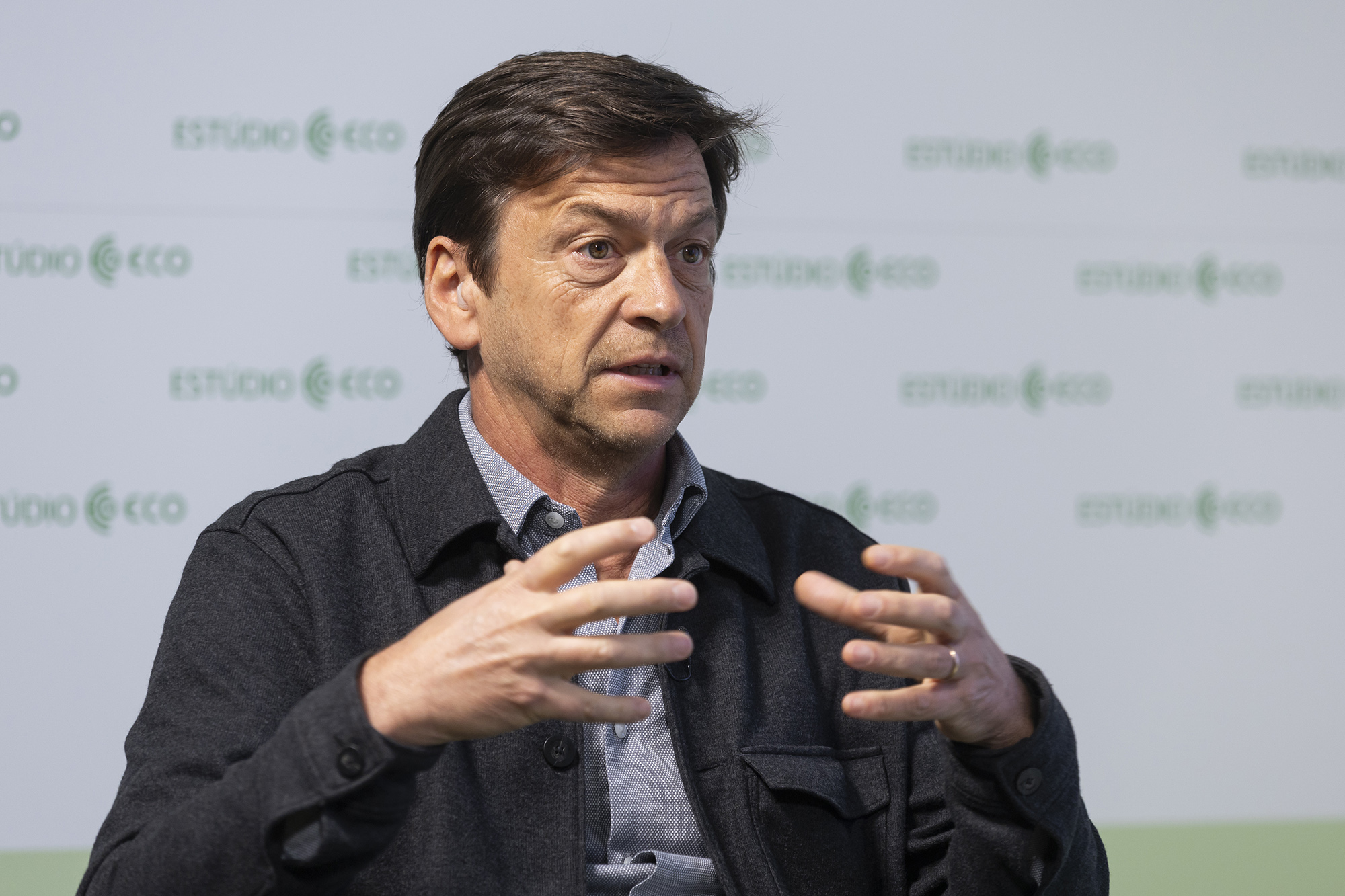
Filipe Teotónio Pereira acknowledges that the first half of the year fell short of expectations for some media channels. However, he believes that several national and international factors that had led advertisers to adopt a more cautious approach have now stabilised. He points, for example, to the conclusion of Portugal’s general election and the easing of uncertainty surrounding Donald Trump’s return to the White House, creating a more favourable environment for investment.
At the same time, he expects consumer spending to benefit from an increase in disposable income following the introduction of the new income tax withholding tables. “Brands are paying close attention to these developments and will certainly be agile and pragmatic in their response,” he says.
Playce had been proving highly successful, establishing itself as a valuable new revenue stream for Portuguese media companies. The situation surrounding TIN highlights the broader challenges facing national media organisations—not only in the press sector, but across the media industry as a whole.
Filipe Teotónio Pereira
Managing Director, Nova Expressão
Rui Freire, Managing Director of Initiative, expects Portugal’s advertising market to grow by around 3% in 2025, maintaining the same pace recorded in 2024. “Although growth is expected to be moderate, the post-summer season typically brings a significant increase in advertising investment, particularly in categories that concentrate a large share of their campaigns in the final quarter of the year,” he says.
The back-to-school season, Black Friday and Christmas are traditionally among the busiest periods for advertisers and could prove decisive in balancing the year’s overall performance.
Speaking specifically about the agency he leads, Rui Freire reveals that its growth is “well above the market, in the double digits, which gives us confidence that this will be another positive year.”
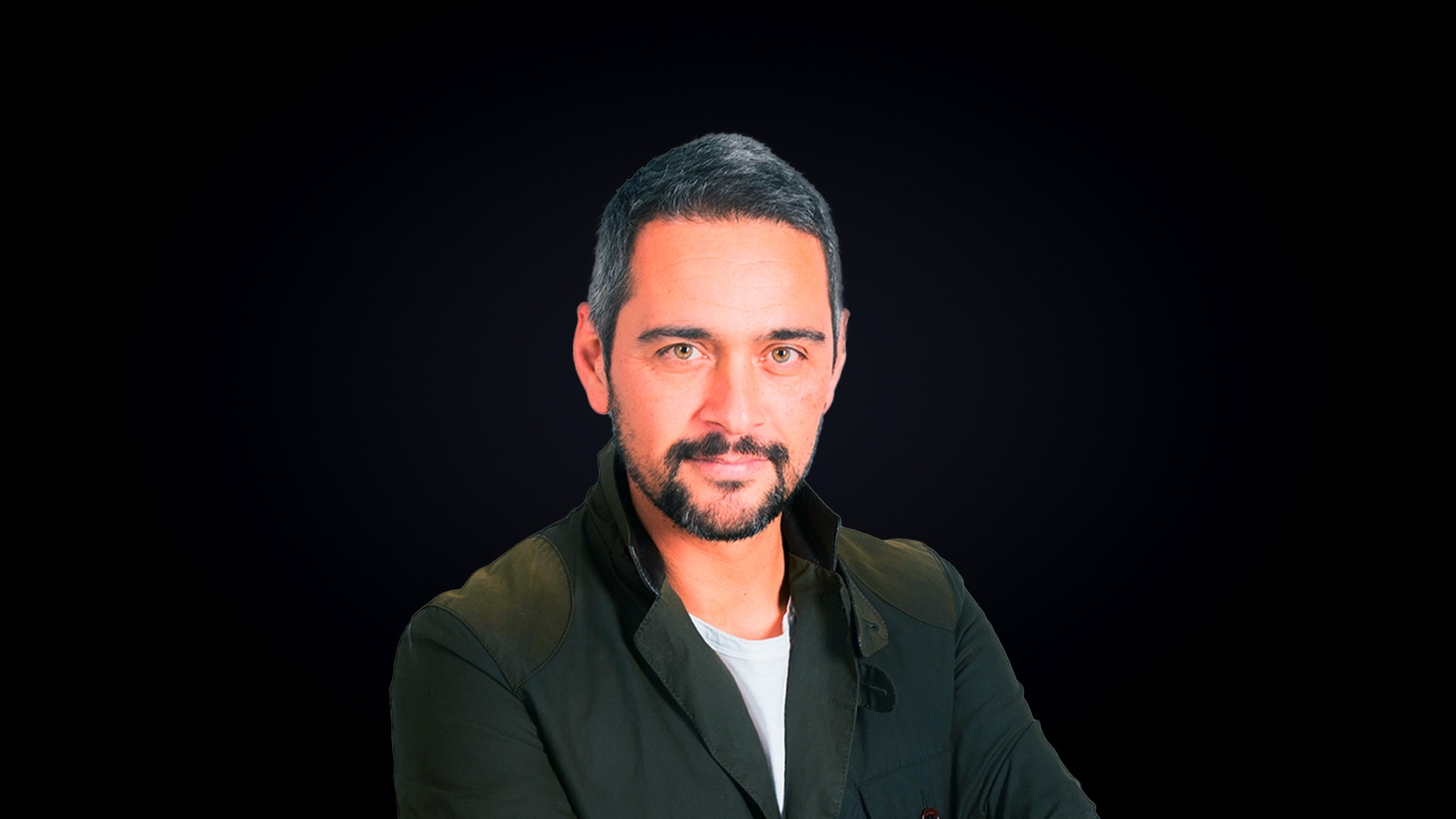
While stressing that there are still no official figures and that forecasts remain “subject to the usual uncertainty,” Frederico Correia, Managing Director of Wavemaker, expects the market to continue the growth trend seen in recent years. “We are forecasting modest growth of between 2% and 4% by the end of the year, broadly in line with the economic recovery and the stabilisation of media prices,” he says.
When it comes to advertisers’ preferred media channels, Filipe Teotónio Pereira does not expect any significant shifts in the media mix, with television likely to retain the largest audited share of advertising investment. “The increasing digitalisation of media, advances in technology and the growing use of AI have unlocked new potential for traditional media. The main challenge for advertisers and agencies is to maximise the return on their advertising investment by making the most of these new capabilities,” he explains.
The WPP Media executive also expects television and digital to continue attracting the largest share of advertising investment, reflecting the way audiences in Portugal consume media.
“We are confident that television investment will remain stable through to the end of the year compared with 2024. We may see a very slight shift, either up or down, of less than one percentage point, essentially reflecting the very high consumption of the medium in a market such as ours. In parallel, digital, across its various disciplines, with particular emphasis on video and connected TV, should continue its growth trajectory, with investment expected to increase by between 5% and 10% versus 2024,” says Frederico Correia.
Frederico Correia also expects outdoor advertising and radio to remain broadly stable. “Outdoor will continue to play a critical role in extending campaign reach, while radio retains its unique ability to deliver frequency and maintain close connections with Portuguese audiences. It has also shown remarkable resilience in the way it has successfully evolved within the digital environment,” he explains.
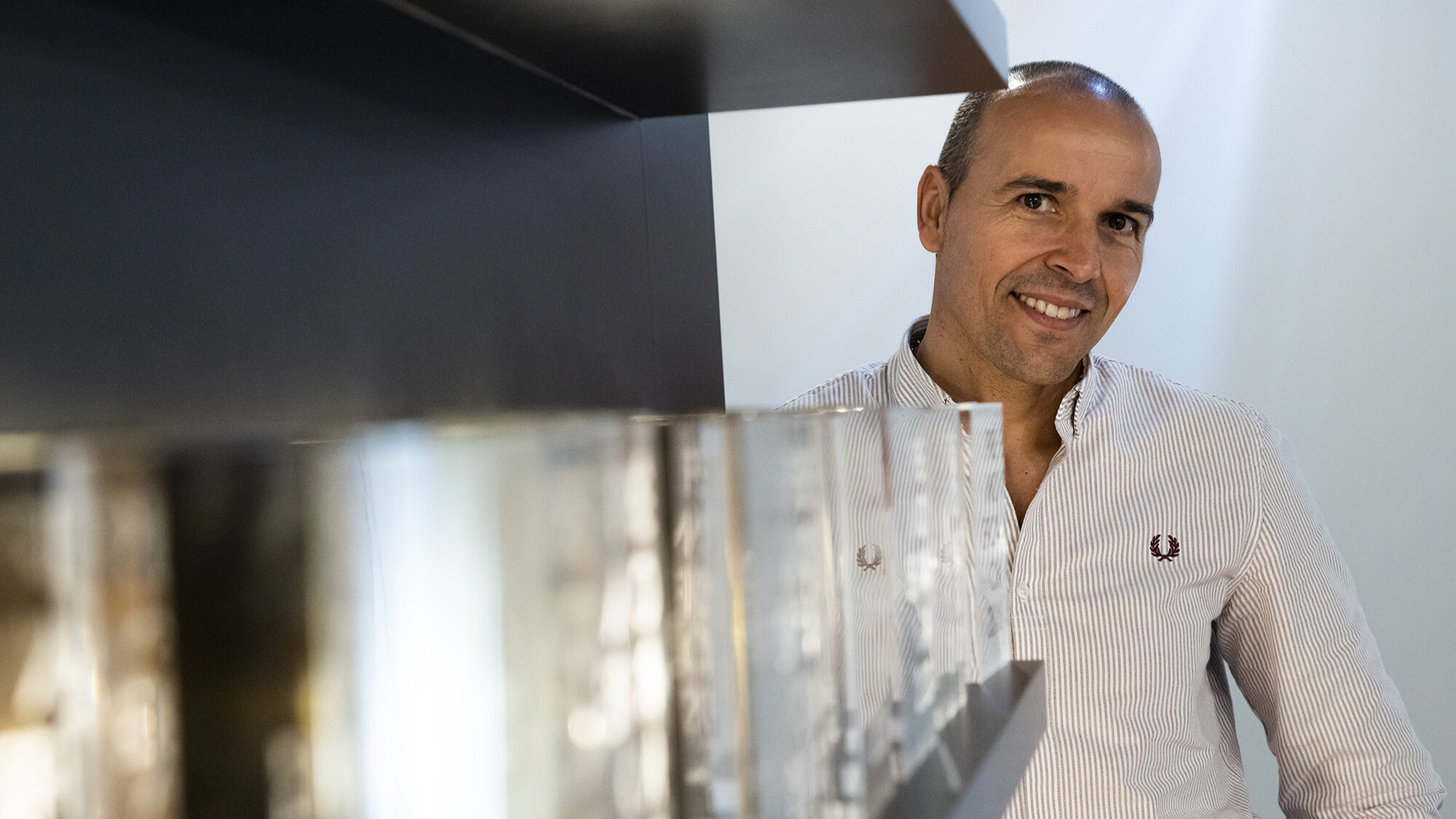
Rui Freire, meanwhile, identifies digital and out-of-home as “the main drivers of growth”, while television “continues to deliver unrivalled reach and remains a cornerstone of advertisers’ media strategies, albeit in a rapidly evolving landscape”.
In terms of media investment, television continues to command the largest share of the market, accounting for 46% of total spend despite a slight decline. Digital now represents 30% of the market and has grown by 3% compared with the first half of 2024, consolidating its position as the second most important medium. Out-of-home continues to perform strongly, mirroring the positive trend seen in 2024, driven largely by its digital transformation, with growth of 10%. Cinema has also delivered a remarkable recovery, posting growth of 48%, albeit from a much smaller base, notes the IPG Mediabrands agency executive.
Conversely, Rui Freire notes that print and radio continue to experience significant declines, with investment falling by 13% and 12%, respectively.
The market continued to grow, with digital and out-of-home delivering particularly strong performances, while cinema recorded a notable recovery.
Rui Freire
Managing director, Initiative
Views on the first months of 2025 are not entirely aligned. Looking back at the first eight months of the year, however, Initiative’s Managing Director offers an overall positive assessment. “The market continued to grow, with digital and out-of-home delivering particularly strong performances, while cinema recorded a notable recovery.”
On the downside, he notes that “print and radio continue to experience significant declines, while television, although still the dominant medium, is showing signs of gradual erosion.”
Filipe Teotónio Pereira points out that “television remains the medium attracting the largest share of advertising investment and continues to innovate, as demonstrated by the introduction of CPM-based buying”—a trading model based on cost per thousand impressions, long established in digital advertising.
“We have seen significant consolidation in the out-of-home sector, which, together with the ongoing digitalisation of inventory, promises to further strengthen the offering available to advertisers. Radio also continues to evolve the audio market. Beyond podcasts—which are now a well-established format and reflected in Marktest’s latest audience study—radio itself is becoming increasingly digital. This is creating new opportunities, as well as new challenges, for advertisers and agencies,” says the Nova Expressão executive.
Among the more negative developments, Filipe Teotónio Pereira highlights the suspension of Playce and the situation surrounding Trust in News. “Playce had been proving highly successful, establishing itself as a valuable new revenue stream for Portuguese media companies. The situation at TIN highlights the broader challenges facing national media organisations—not only in the press sector, but across the media industry as a whole,” he says.
More broadly, he warns that “if we look beyond the specific circumstances of this media group, it becomes clear that unregulated competition from international platforms remains a structural issue that has yet to be addressed.”
Frederico Correia takes a more critical view of the first half of the year. “I think we would all agree that the first half of the year was marked by considerable inconsistency,” he says.
“Managing advertising investment was extremely challenging, and we felt the effects of the instability caused by the global macroeconomic environment very acutely. So far, this has been a year shaped by a succession of events that have affected many of the brands we work with, particularly those heavily dependent on tariffs, transport and freight costs, all of which have had a significant impact on production costs,” explains the WPP Media executive.
Among the year’s biggest setbacks, Frederico Correia also points to the discontinuation of Playce, which he describes as “a highly relevant solution from both an attention and audience-targeting perspective, developed locally and already generating a meaningful share of revenue for Portugal’s leading publishers.”
“Above all, we believe the entire Portuguese media industry has been the real loser following the abrupt discontinuation of the platform. We are now waiting to see what the future holds for this type of locally developed solution,” he says.
“It is important to recognise the industry stakeholders who continue to believe in the strength and potential of the Portuguese market—whether publishers, advertisers or agencies. The first half of the year has demonstrated that resilience and should provide a solid foundation for closing 2025 on a positive note and entering 2026 with confidence and optimism.”
Frederico Correia
Managing director, Wavemaker
On the positive side, Wavemaker’s Managing Director highlights the way the industry as a whole has continued to strengthen the relevance of the local market—whether through technical expertise, its ability to embrace and apply new technologies and AI, or the continued dynamism demonstrated by local media companies.
“The reality is that, despite a highly challenging international environment, the market has continued to grow,” he concludes.
“It is important to recognise the industry stakeholders who continue to believe in the strength and potential of the Portuguese market—whether publishers, advertisers or agencies. The first half of the year has demonstrated that resilience and should provide a solid foundation for closing 2025 on a positive note and entering 2026 with confidence and optimism,” he concludes.
“We believe more than ever in the importance of local content, in activating brands within a meaningful national context and, above all, in the role technology will play in helping us, as an agency, become more relevant and effective in our mission to grow our clients’ businesses,” he adds.