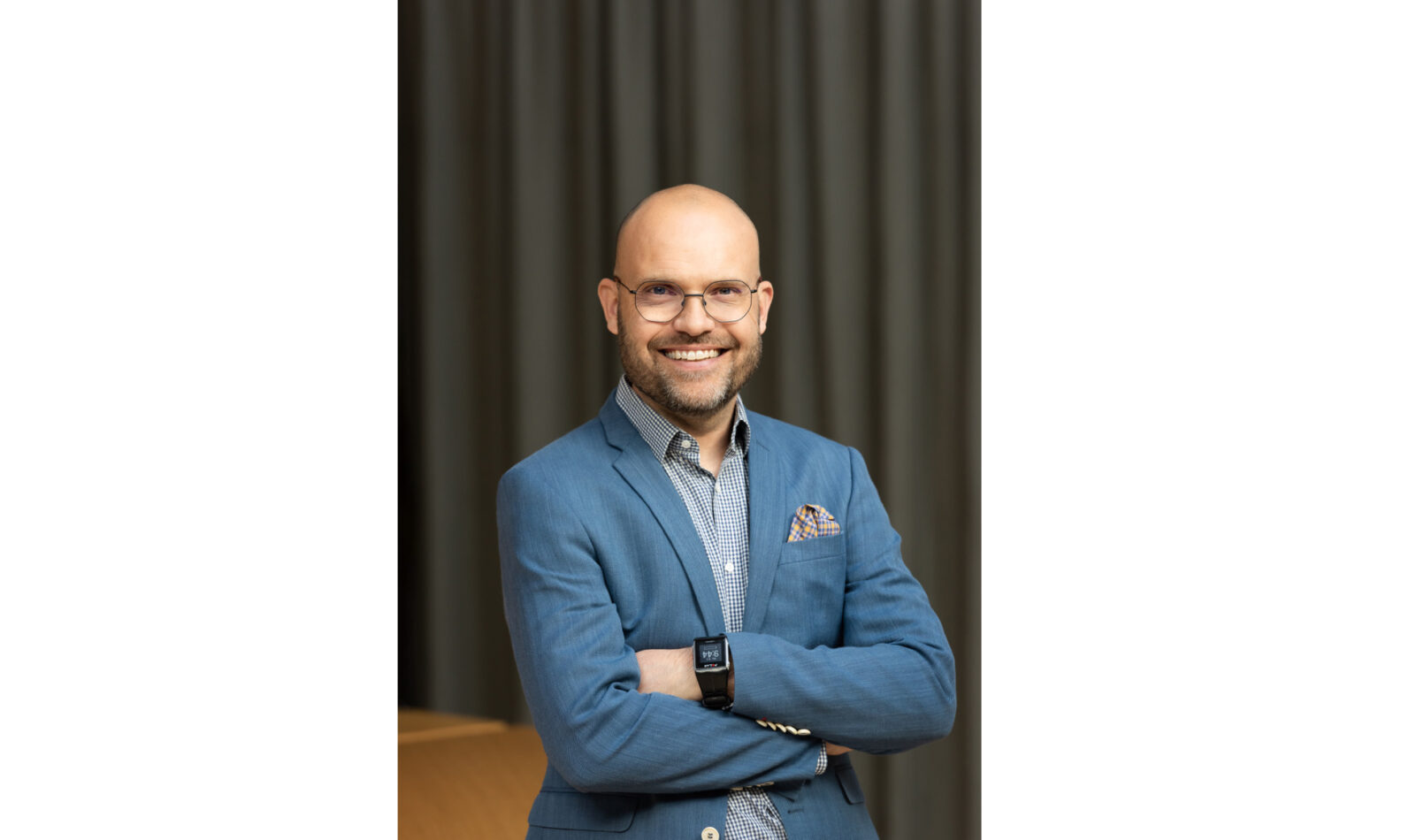
M&P heard from the leaders of six of the main media agencies operating in Portugal about some of the topics that promise to shape the advertising market in 2023. The impact of the introduction of advertising on streaming platforms, the fragmentation of supply and the loss of expression of free-to-air channels, the turbulence in television audience measurement, the transformation in out-of-home in the two main cities and the end of cookies are analysed today by Filipe Teotónio Pereira, General Director of Nova Expressão.
Meios & Publicidade (M&P): Advertising is already a reality on Netflix, with the new subscription model with ads expected to reach the Portuguese market next year. Since 8 December, Disney+ has also opened the door to ads, in a move that will begin in the US but will not take long to reach the other markets where the platform is present. What could be the impact of the introduction of advertising on streaming platforms on television advertising investment in the Portuguese market?
Filipe Teotónio Pereira (FTP): Streaming platforms are a relevant touch point with the consumer and, to that extent, the possibility of introducing advertising is good news for advertisers. And this is even more significant if we are talking about younger targets. On the other hand, streaming platforms have relevant information about their users, which could be integrated in order to segment and contextualise communication. As this is a recent movement, it will be necessary to monitor whether the investment they will capture will come from television or digital. We are also attentive to the impact that lower-priced packages may have in attracting new users to these platforms.
M&P: The loss of share of free-to-air channels, which has been a constant as the television offering has become increasingly fragmented, intensified in 2022. This at a time when the multiplication of the OTT offering shows no signs of easing, since the number of platforms available to the Portuguese consumer, despite already being significant, continues to grow, as shown by the recent arrival of the SkyShowtime platform in Portugal. How do you view this continued expansion of the television content offering and how do you anticipate free-to-air television consumption will evolve in this context? Are generalist channels doomed to lose expression in 2023?
FTP: The multiplication of the OTT offering was one of the catalytic factors in the change to the business model, with the opening up to advertising. While they wait for a new wave of competitors, platforms need to differentiate themselves to attract users and gain the muscle to produce content that requires increasingly substantial investment. Generalist channels will have to live with this reality and amplify their arguments, taking on the differentiation of their offering and investing in the quality and agility of their content. The level of loss of share of free-to-air channels is not transversal across all targets. It is necessary to have the capacity to analyse this variable analytically in order to obtain the best communication results.
M&P: One of the events marking 2022 in the advertising market concerns the searches carried out at GfK due to a complaint of audience tampering. Regardless of the conclusions the ongoing investigation may reach, could the suspicions raised be a thorn in the credibility of the audience measurement system? What will be necessary to appease media agencies and advertisers, and what could be the consequences of a potential loss of trust in terms of the distribution of television advertising investment?
FTP: It does not seem to me that this specific situation could cause disruption. It occurs within the normal functioning of institutions. On the other hand, the advertising market is a mature market that has been able to respond quickly and consistently to the situations it has faced.
M&P: In the out-of-home (OOH) sector, 2023 promises to be a year of major transformation in the outdoor advertising offering in the two main urban centres. The resolution of the tenders for the Lisbon and Porto concessions, in addition to bringing new players to outdoor advertising in the country’s largest cities, is driving the renewal of formats, accentuating the progressive digitalisation of networks. How do you expect the outdoor advertising offering to evolve next year as a result of this renewal process, and what impact do you anticipate this transformation could represent in terms of advertising investment in the sector?
FTP: The pace of transformation in the outdoor advertising offering is one of the main growth drivers in this medium. But it is not the only one. It is also important to consider the consolidation of the audience study and the prospect of once again having a year without circulation restrictions. The market has huge expectations regarding the ability of municipalities and operators to meet the announced deadlines for the installation of the new equipment. A demanding undertaking in operational and investment terms. The renewal and digitalisation of equipment, combined with audience data and the appropriate technology, promise to raise the effectiveness of the outdoor medium to an unprecedented level.
M&P: In digital, 2023 brings the announced end of cookies, making first-party data increasingly decisive for brands’ strategy and for media agencies themselves. How do you foresee the end of cookies being reflected, on the one hand, in brands’ advertising investment in digital and, on the other hand, in what will be media agencies’ own investment in creating tools and evolving their business offering to respond to advertisers’ new needs?
FTP: The entire digital ecosystem, including advertisers, publishers and agencies, has been working for several years to respond to the “cookieless” context. And the focus has been on finding solutions that make it possible to maintain the assertiveness of communication in the digital context. This is the case with initiatives by national publishers involving the development and use of first-party data or contextual segmentation through artificial intelligence, building increasingly solid qualified segments that are GDPR-compatible and actionable for specific campaigns. The data that brands collect on their own channels can, and should, also be considered for segmented communication initiatives, cross-referenced with adequate campaign planning across the remaining digital media channels. Although considered “walled gardens”, social networks continue to be an option and an alternative for communicating in a segmented way, given that they are environments that control users’ access to content and services.
Should it materialise in 2023, and taking into account the ecosystem’s anticipation measures, the “cookieless” context does not seem to have the potential to break the dynamic of brands associating themselves with and being present at moments of proactive and available audience. All credit to radio stations, which have managed to capture audiences with consistent investment in content and programming. But, in addition to reinforcing content, the radio medium has revealed its dynamism in the proliferation of the use of digital platforms.